
Fake Chatbot Scams: How to Protect Yourself Online
What Is the Fake Customer Service Chatbot Scam?
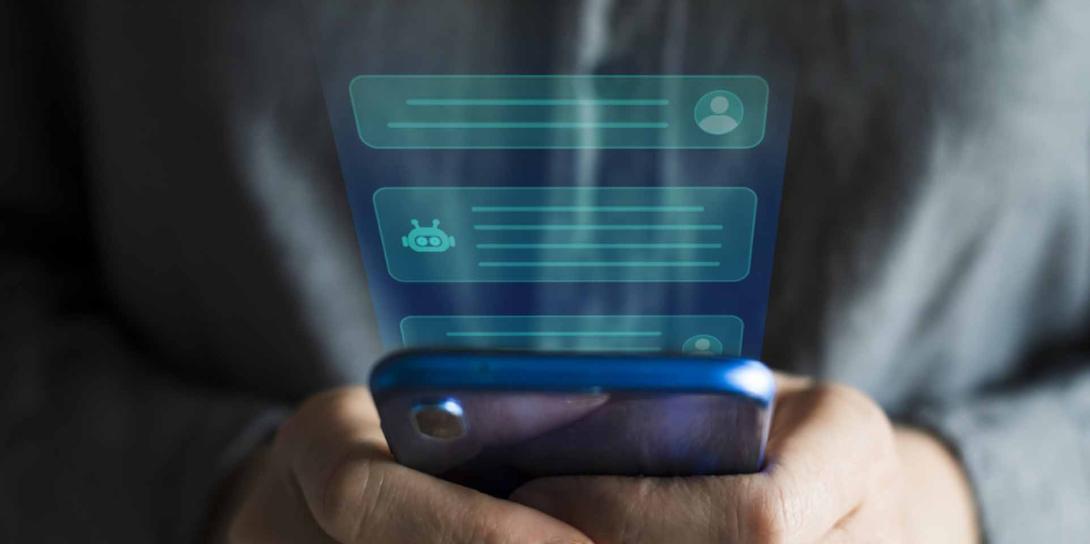
Scammers create fake customer service chatbots to steal your personal and financial information. These chatbots are designed to look and sound like real company representatives. You might encounter them on lookalike websites that mimic legitimate businesses, or through suspicious links sent via text messages, emails, or social media posts. When you interact with these fake chatbots, scammers can trick you into sharing sensitive information like passwords, Social Security numbers, credit card details, or bank account information.
How the Scam Works
Scammers direct you to authentic-looking websites that they’ve created. When you visit these sites and start chatting with what appears to be a helpful customer service agent, you’re actually talking to the scammer’s automated or AI bot. The bot will ask you to “verify your identity” by providing sensitive information like:
- Bank account numbers
- Login passwords
- Credit card details
- Social Security number
Example of the Scam in Action
Maria received a text that appeared to be from her bank, with a link for support. The link led to a fake website designed to mimic the bank’s website. A chatbot immediately asked her to enter her username and password to “verify” a suspicious charge on her account. Minutes after she entered her details, scammers used them to access her account.
How to Protect Yourself From This Scam
- Verify the website URL. Fake chatbots often appear on spoofed websites with slight misspellings or extra characters in the address.
- Avoid clicking on links in unsolicited messages. Scammers often send fake support links via text, email, or social media.
- Opt to speak to a real person. Contact the company directly using trusted contact information instead of using the chat or any contact information provided in the chat.
- Watch for scripted or irrelevant responses. If the chatbot’s answers don’t make sense or seem off-topic, they may be fake.
- Don’t enter sensitive information in a chat. Legitimate companies will never ask for full account numbers, passwords, or Social Security numbers via chatbot.
If You Think You’ve Been Scammed, follow these tips:
- Contact your local branch. If your account information has been compromised, or if you have mistakenly given money to a scam, let us know immediately. Find our contact information here.
- Report the scam to the FTC. File a report with the Federal Trade Commission at ReportFraud.FTC.gov. Inform your local law enforcement as well.
- Report the scam to the state attorney general. You can find information at NAAG.org.
- Tell friends and family about the scam. Sharing your experience can help others stay alert and avoid similar traps.